Coffee atlas
Coffee origins & terroir
Explore the coffee-growing regions in our collection. Each origin offers its own altitude, climate, and soil profile that shape how the coffee tastes in the cup.
Understanding terroir
Terroir describes the combination of altitude, temperature, rainfall, and soil that give coffees from a place their signature character. Higher elevations often bring brighter acidity, cooler nights slow cherry development, and different soils add their own mineral imprint.
Altitude
Elevation influences bean density and flavor complexity.
Many specialty coffees grow between 1,200–2,000 meters above sea level.
Climate
Temperature and rainfall shape sweetness, body, and structure.
Distinct wet and dry seasons help cherries ripen evenly before harvest.
Soil
Volcanic, clay, or loamy soils each contribute different mineral profiles.
These subtle differences show up as texture, aromatics, and finish in the cup.
Craft
Farming and processing choices refine what the land provides.
Careful picking and thoughtful processing bring clarity to a region's profile.
Regions in this catalog
Explore 5 coffee regions
Select an origin to see its growing conditions, coffees, and how it fits into the wider coffee belt.


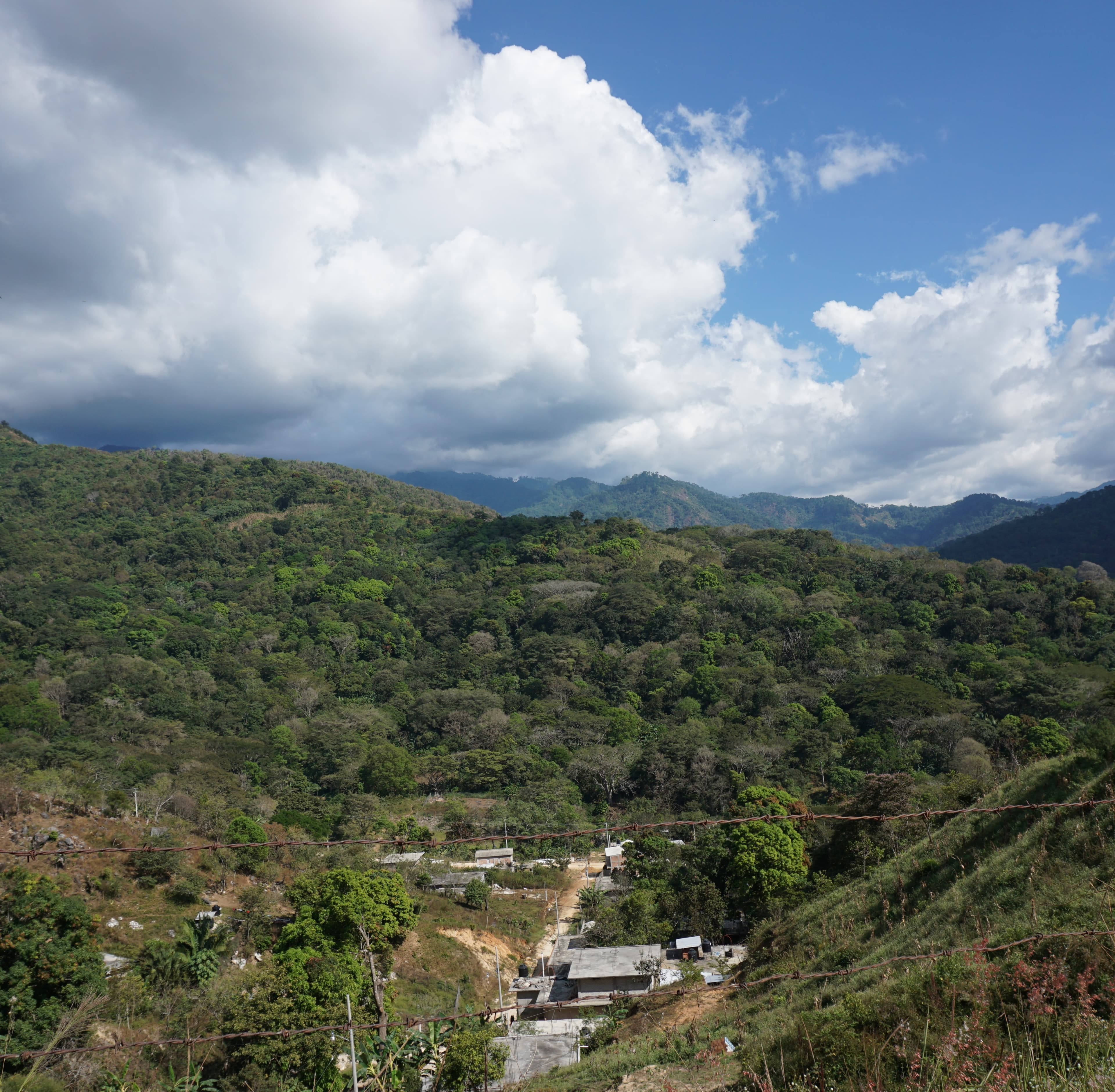

The coffee belt
Where these regions sit on the map
All of our current origins fall inside the coffee belt, the band around the equator that offers the stable temperatures and seasonal patterns coffee needs to thrive.
Latin America
Typical profiles range from bright and citrusy to deep, earthy, and spice-led depending on the specific origin.
Africa & Middle East
Typical profiles range from bright and citrusy to deep, earthy, and spice-led depending on the specific origin.
Asia & Pacific
Typical profiles range from bright and citrusy to deep, earthy, and spice-led depending on the specific origin.